Logitech: World Class Capital Efficient Business?
By Handzalah / Black Swan Research 6 July 2026, 3:15am MYT

When I first read on Logitech’s business around 2 months ago, I saw how they have over the years managed to increase market share and kept their competitive edge despite the onslaught of low-cost manufacturers entering the markets, and I was intrigued. Their capital efficiency is the financial metric that captivated me the most. Keep in mind that I computed the ROIC by having invested capital (IC) = equity + debt – cash and marketable securities. And because Logitech is a inherently cash rich company the ROIC is pushed high from the lower invested capital amounts. Today’s short post is on Logitech high ROIC and their reinvestment rate. I may update and include more write ups for this company in the future.
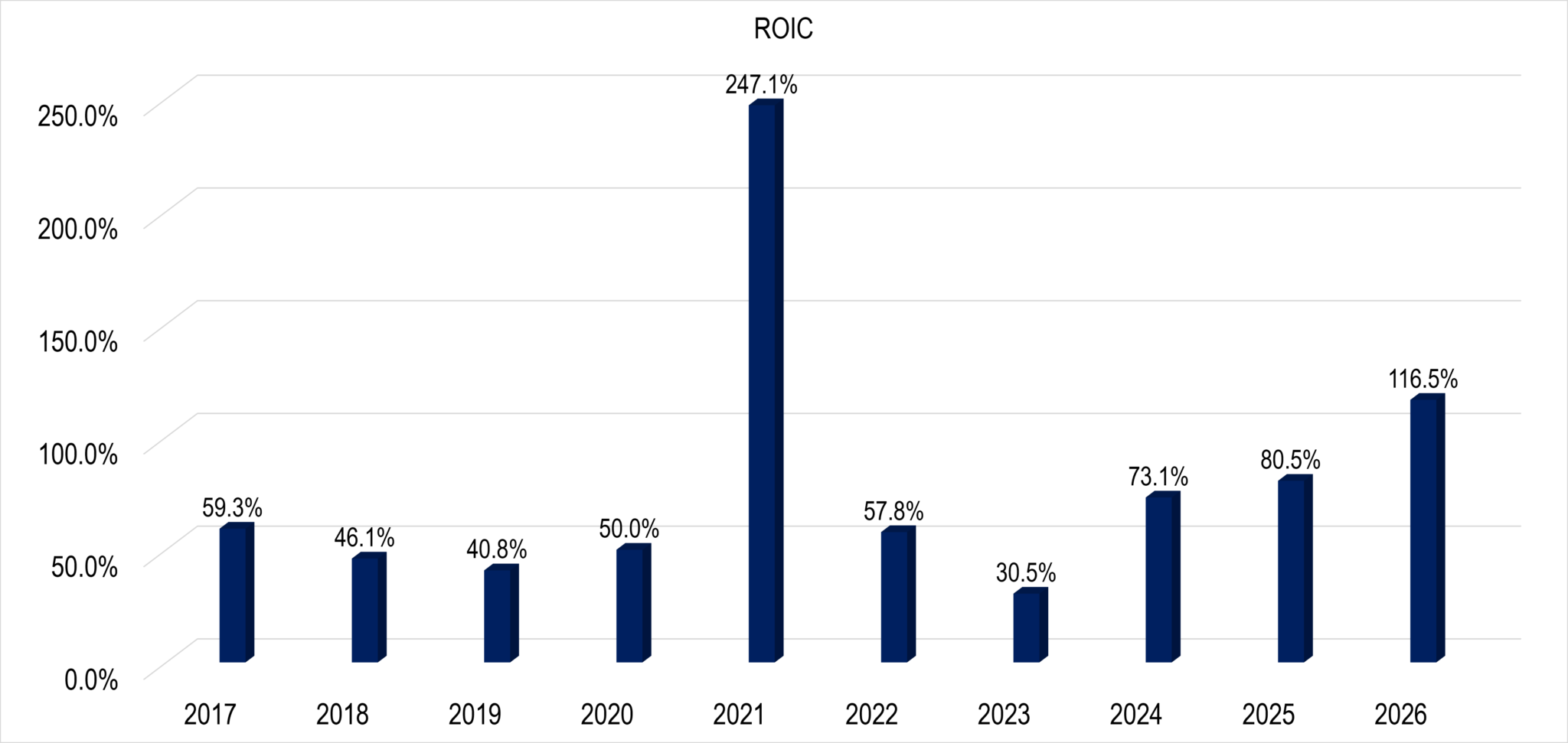
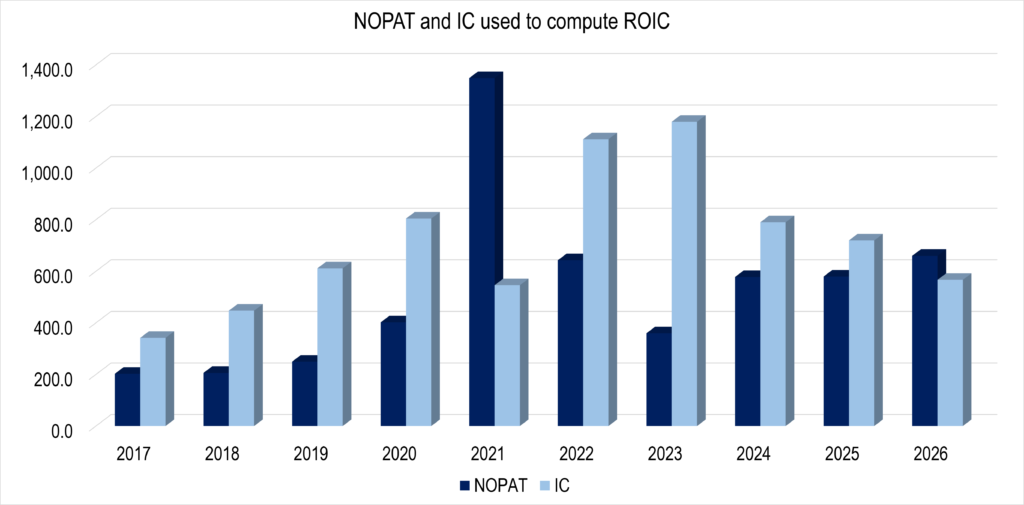
Return on Invested Capital
Now the numbers might suggest that we actually need to exclude the subtraction of cash in invested capital, however, I believe it is best to include it because it is a non-operating asset. So, just excluding for the sole purpose of smoothing out the graph is not in our best interest when looking at the quality of the company’s reinvestments. There ability to reinvest at high rates is very impressive. This means that the company must invest a small sum of capital to get massive returns on that capital. From 2017 to 2026 (note that their fiscal year ends on March) Logitech increased net operating profit after tax (NOPAT) by ~$457 million, while only increasing invested capital by ~$225 million. This computes to an incremental ROIC of 203%! This once again shows their efficiency in capital, turning $1 in invested capital to $2.03 in NOPAT.
Disaggregation of ROIC Formula
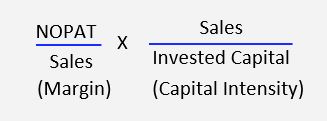
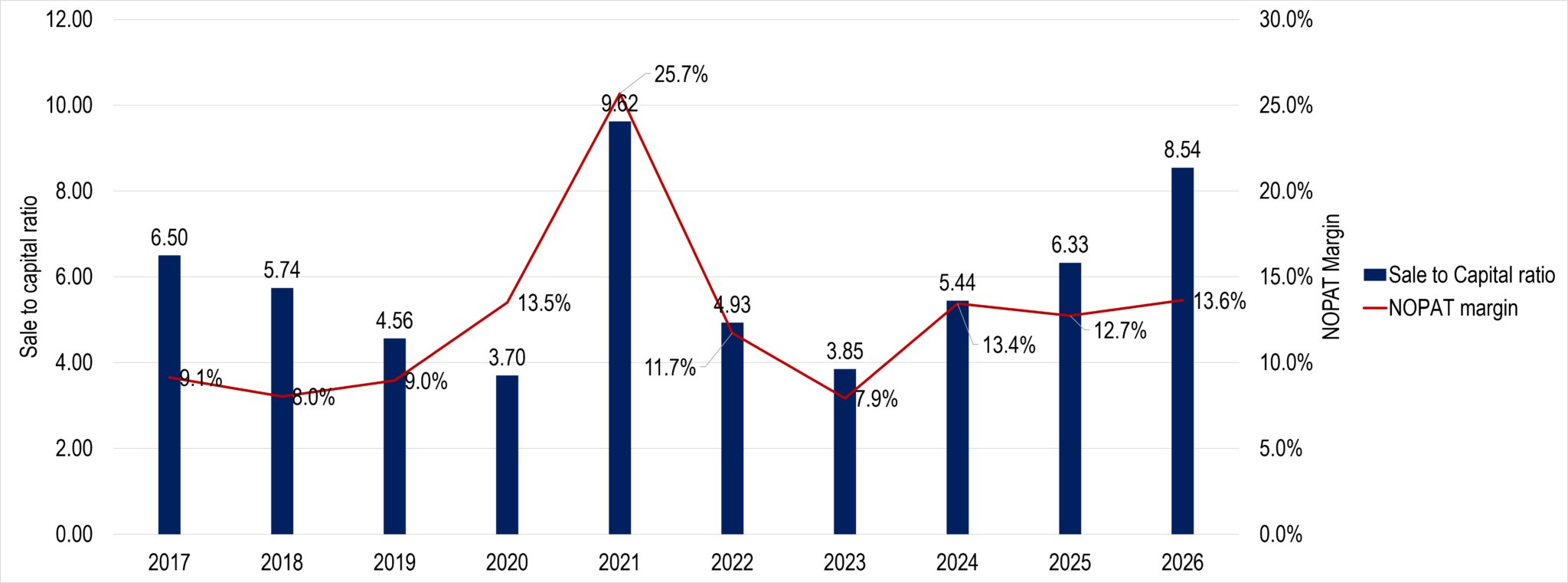
Now recall that ROIC’s formula can be broken down into the product of margins and capital intensity. I was curious on what was contributing to the enormous ROIC number. I found my answer when I broke down the ROIC formula and found that their business is very efficient in turning a dollar of capital into revenue. This is seen by the high sale to capital ratio of 8.54x in 2026. This is evidence that business inherently gets a lot of growth in earnings with minimal growth in capital invested. There is a slight caveat to this prosperous story. It is the ability for Logitech to invest large sums of capital at these rates otherwise known as their reinvestment rate.
Reinvestment Rate and Potential Earnings Growth
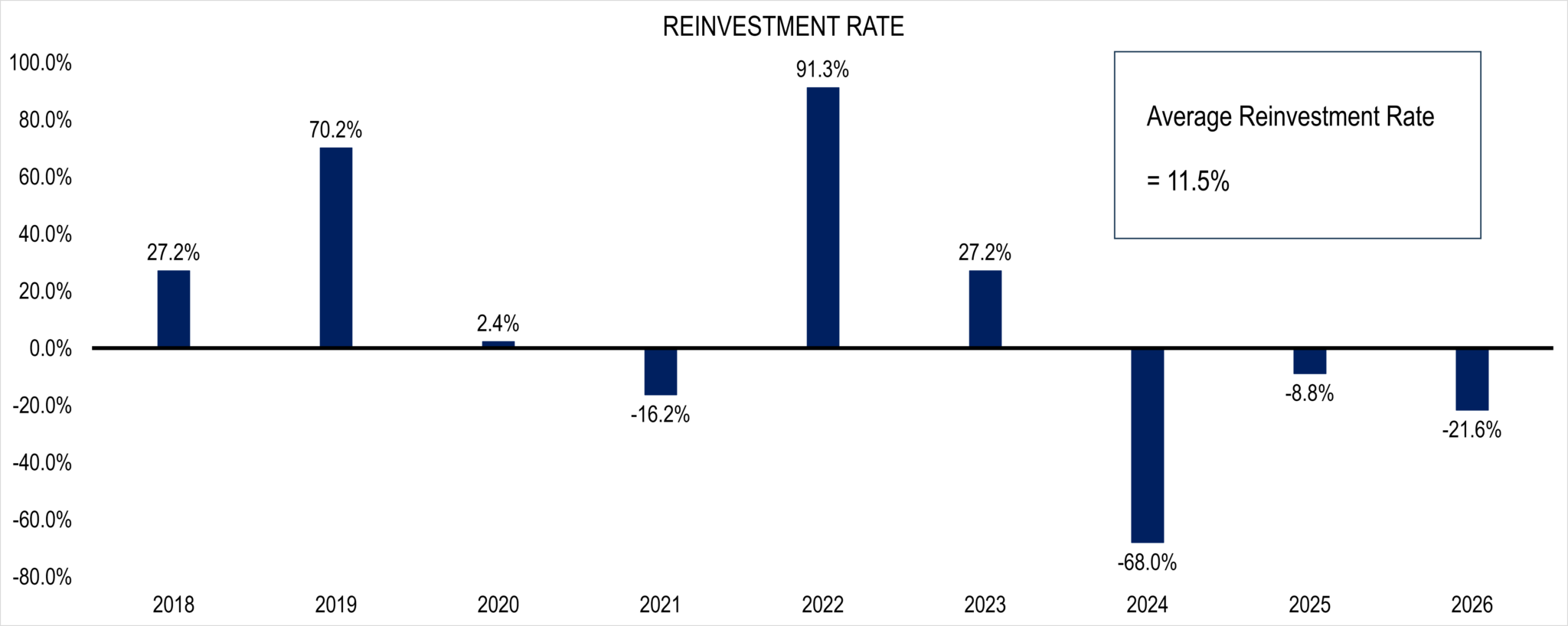
The company’s ability to reinvest at high rates will determine the potential growth in earnings the company can be expected to sustainably maintain. And at least over the past almost 10 years, the company has managed to reinvest around 11.5% of their NOPAT. If we assume that their average reinvestment rate will hold true for the next decade, and their ROIC will be around 100%, then, the estimate for Logitech’s growth in earnings over the next decade is a product of the 2 figures (i.e. reinvestment rate & ROIC). 100% * 11.5% = 11.5%. This means that if Logitech sustain their reinvestment rate and their ROIC, they are able to compound their earnings at a CAGR of 11.5%. This makes it a potential compounding machine, or businesses that have the ability to grow their intrinsic value year over year.
I am very amazed by such numbers. The potential for this business to grow in the next decade makes me curious on the durability of the earnings over the next decade. Perhaps the next write up on this company will include more about Logitech’s business overview and whether they are able to maintain such growth rates. Nevertheless, Logitech brings an interesting case study as it is currently trading around 20x earnings. The low valuation with high potential growth has fueled my interest for this company.