
Berkshire Hathaway Lessons: Second Mover Advantage
By Handzalah / Black Swan Research 6 April 2026, 6:05pm MYT

Prior to the merger of Berkshire Fine Spinning Associates and Hathaway Manufacturing to form Berkshire Hathaway in 1955, both business entities were suffering from the decline of the textile industry. From early 19th century to around 1880s, it was widely known that the Northern region of the US, provided the necessary advantages to propel the textile business. And thereby making the North more attractive to start a textile business relative to the South. The North, to contrast with the Southern region, had cheap power source and access to capital. In order to start the textile business, a large sum of capital must be accessible due to the large land and machinery that must be purchased. Another distinct advantage over the South is the geographic advantages of the North. The North has many strong-flowing rivers which aided the transport of the goods to and from the mills.
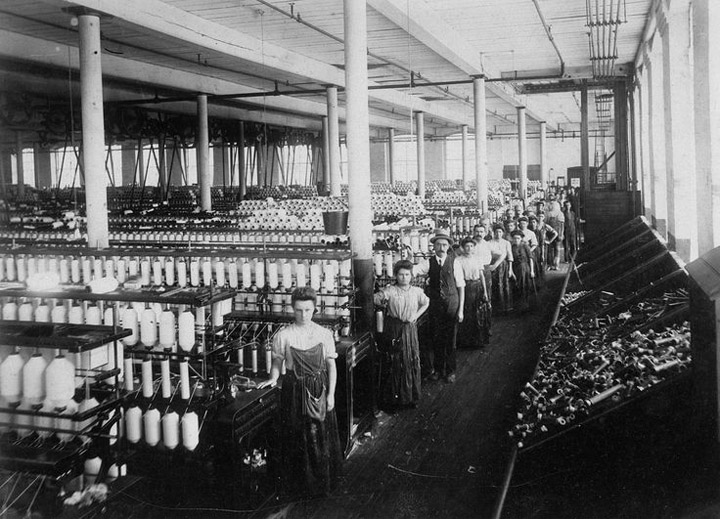
However, between 1880s and the 1920s, the North’s advantages slowly eroded away as innovation broke through. The innovation of automatic looms and ring spindles, which are more efficient than the machines being used in the North, posed a huge threat to the textile business of the North. How so? Well the North were reluctant to invest in these new machines due to their marginal profitability associated with their textile business. However, adoption of new machines grew rapidly in the South, due to the viability of of the business given the new advantages of efficiency. Their were two other factors that contribute to the South’s advantageous position in textile. Lower labor cost and lower taxes both made the textile business more attractive in the South.
The North were well optimized for their current environment but lacked the ability to remain flexible and agile. And when the disruption of more efficient machines came, they were significantly behind, compounded by things that were out of their control (i.e. their geographic disadvantages). This is one of the rare occurrences where the second mover is advantageous over the first mover. This story relates back with the dodo bird story , where optimization can kill the business by making the business subservient to the current non-adaptive business model. The Northern textile companies could not justify their reinvestment into better machines due to low profits from their textile business. This means, if your business have low margins, commoditized, require heavy capital expenditures and has high fixed assets, you may be optimized for the current business environment but will likely fall short when innovation or generally disruption enters the market. When disruption enters, it is best to be nimble to remain afloat.
Prior to Covid-19, people were a little bit more skeptical when purchasing garments and clothes online. However, after the pandemic forced buyers to purchase goods online, the uptick in consumer confidence led many businesses to shift their business model thereby opening or expanding their e-commerce arm. Again, if business owners during this time, were reluctant to open an online store, they would have faced many headwinds related with increased low-cost competitors. If the retail of clothes failed to reinvest their profits into opening/expanding their online presence they were likely going to be victim of disruptive capitalism. Remain agile and do not assume your business environment will remain constant.